7 Ways Climate Change Is Driving Biodiversity Loss: Protecting Ecosystems and Marine Life for a Sustainable Future
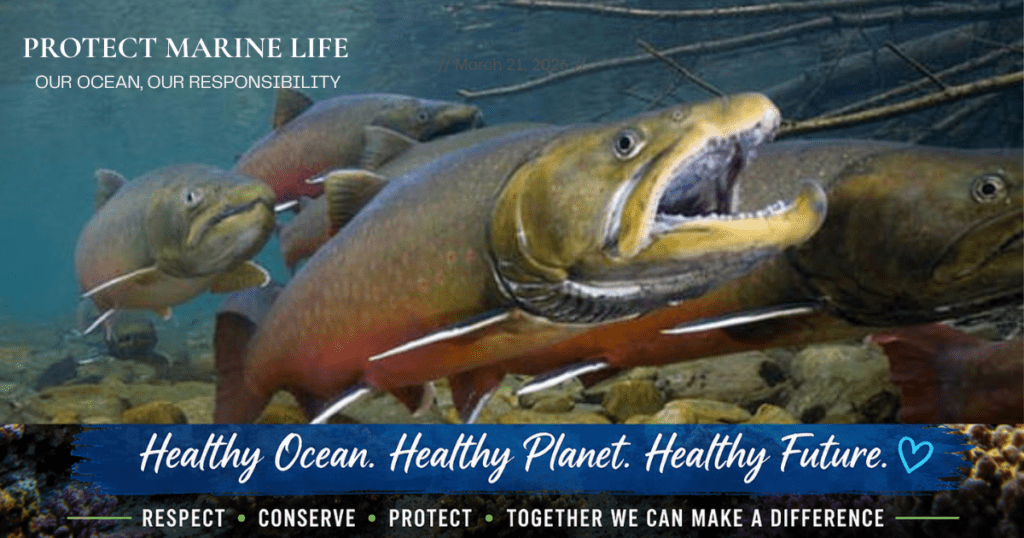
Climate change and biodiversity loss are among the greatest environmental challenges facing the world today. Increasing global temperatures, habitat destruction, deforestation, pollution, and ocean warming are transforming ecosystems at an unprecedented pace, threatening wildlife, marine life, and the natural systems that support human survival. Forests are becoming quieter as species disappear, glaciers are melting faster than ever, and coral reefs are losing their vibrant marine life. These modifications are no longer predictions for the future; they are happening now and need urgent mitigation strategies.
Although climate change and biodiversity loss are often debated as separate environmental issues, they are closely connected. Climate change accelerates habitat degradation, disrupts ecosystems, increases the risk of species extinction, and causes global warming. At the same time, the loss of biodiversity declines nature’s ability to absorb carbon dioxide, regulate the climate, maintain healthy soils, and provide essential ecosystem services. As ecosystems become less resilient, the impacts of climate change intensify, creating a dangerous cycle that threatens both nature and human well-being.
Biodiversity’ refers to the wide variety of life on Earth, including plants, animals, fungi, microorganisms, and the ecosystems in which they exist. Every species, regardless of its size, contributes to maintaining ecological balance. Forests, wetlands, grasslands, rivers, mountains, mangroves, coral reefs, and oceans provide habitats for millions of species while delivering crucial ecosystem services such as clean air, freshwater, food production, pollination, climate regulation, and carbon storage. Protecting biodiversity is therefore essential not only for wildlife conservation but also for sustaining healthy ecosystems that support human life.
Human actions have placed unprecedented pressure on the natural environment. The sustained burning of fossil fuels, large-scale deforestation, industrial expansion, unsustainable agriculture, pollution, overfishing, and rapid urbanization have significantly increased greenhouse gas emissions while destroying natural habitats. As global temperatures continue to rise, many ecosystems are becoming increasingly fragile, making it difficult for countless species to survive, reproduce, and adapt to rapidly changing environmental situations.
Scientists warn that species are perishing at rates far exceeding natural extinction levels. Many plants and animals cannot adapt quickly enough to rising temperatures, changing rainfall patterns, shrinking habitats, and increasingly frequent extreme weather events. The decline of biodiversity threatens not only wildlife but also global food security, freshwater supplies, public health, economic development, and the livelihoods of billions of people who depend on healthy ecosystems.
Protecting biodiversity is one of the most effective nature-based solutions for addressing climate change. Healthy forests, wetlands, grasslands, mangroves, and marine ecosystems capture and store large amounts of carbon, regulate water cycles, reduce the impacts of floods and storms, and provide habitats for countless species. Conserving biodiversity is therefore not simply about protecting endangered animals; it is about safeguarding the natural systems that sustain life on Earth and ensuring a more sustainable future for future generations.
Understanding Biodiversity and Ecosystems
Biodiversity includes life at three interconnected levels: genetic diversity, species diversity, and ecosystem diversity. Genetic diversity enables plants and animals to adapt to environmental changes and strengthens their resilience to diseases and climate-related stress. Species diversity reflects the variety of organisms within an ecosystem, while ecosystem diversity includes forests, wetlands, rivers, deserts, mountains, grasslands, freshwater habitats, and marine ecosystems. Together, these three levels create healthy, resilient ecosystems capable of supporting life and adapting to environmental change.
Healthy ecosystems depend on complex interactions among plants, animals, microorganisms, soil, water, and climate. Pollinating insects help crops reproduce, forests absorb carbon dioxide and regulate rainfall, wetlands naturally filter pollutants, predators maintain balanced food chains, and microorganisms recycle nutrients that keep soils fertile. Even the smallest organisms play vital ecological roles. The disappearance of a single species can disrupt these relationships, creating cascading effects that weaken the stability and productivity of entire ecosystems.
Beyond their ecological importance, biodiversity and healthy ecosystems support economic growth and human well-being. Agriculture depends on fertile soils and pollinators, fisheries rely on healthy freshwater and marine ecosystems, and tourism flourishes in regions rich in wildlife and natural beauty. Conserving biodiversity is therefore not only an environmental priority but also an essential investment in food security, sustainable development, climate resilience, and long-term economic prosperity.
How Climate Change Is Driving Biodiversity Loss
Climate change has become one of the leading drivers of biodiversity loss worldwide. Increasing greenhouse gas emissions from fossil fuel combustion, deforestation, industrial activities, and land-use change have raised global temperatures, resulting in prolonged droughts, intense heatwaves, stronger storms, devastating floods, widespread wildfires, glacier retreat, and rising sea levels. These rapid environmental changes are transforming ecosystems much faster than many species can naturally adapt.
Across the globe, plants are flowering earlier, birds are changing their migration routes, and insects are altering their breeding cycles in response to shifting climatic conditions. These disruptions affect ecological relationships that have developed over thousands of years. Species adapted to colder atmospheres, including alpine vegetation, polar wildlife, and mountain ecosystems, are rapidly losing suitable habitats as temperatures continue to increase. Freshwater ecosystems are also experiencing declining water availability, placing fish, amphibians, and aquatic plants under growing pressure.
Climate change also encourages the spread of invasive species, pests, and infectious diseases, creating additional stress for already vulnerable ecosystems. Scientists warn that without significant reductions in greenhouse gas emissions, many ecosystems could experience irreversible changes, including forest degradation, glacier loss, coral reef collapse, wetland decline, and widespread coastal habitat destruction.
Major Causes of Habitat Destruction
Habitat destruction remains one of the greatest threats to global biodiversity. Human activities such as deforestation, agricultural expansion, urbanization, mining, road construction, infrastructure change, and industrial growth continue to fragment natural landscapes at an alarming rate. As habitats become smaller and increasingly isolated, wildlife loses access to food, shelter, breeding grounds, and migration corridors, causing populations to decline and increasing the risk of destruction.
Deforestation is particularly damaging because forests provide habitat for millions of species while acting as one of the world’s largest natural carbon sinks. When forests are cleared or burnt, the carbon stored in trees is released into the atmosphere, accelerating climate change while simultaneously destroying wildlife habitats. Similarly, draining wetlands for agriculture or urban progress reduces their ability to purify water, control floods, store carbon, and support countless birds, amphibians, fish, and aquatic plants.
Habitat degradation also reduces ecosystem resilience, making landscapes more vulnerable to climate-related disasters such as droughts, floods, landslides, and wildfires. Protecting, restoring, and sustainably managing forests, wetlands, grasslands, and coastal ecosystems are among the most effective strategies for conserving biodiversity while reducing the long-term impacts of climate change.
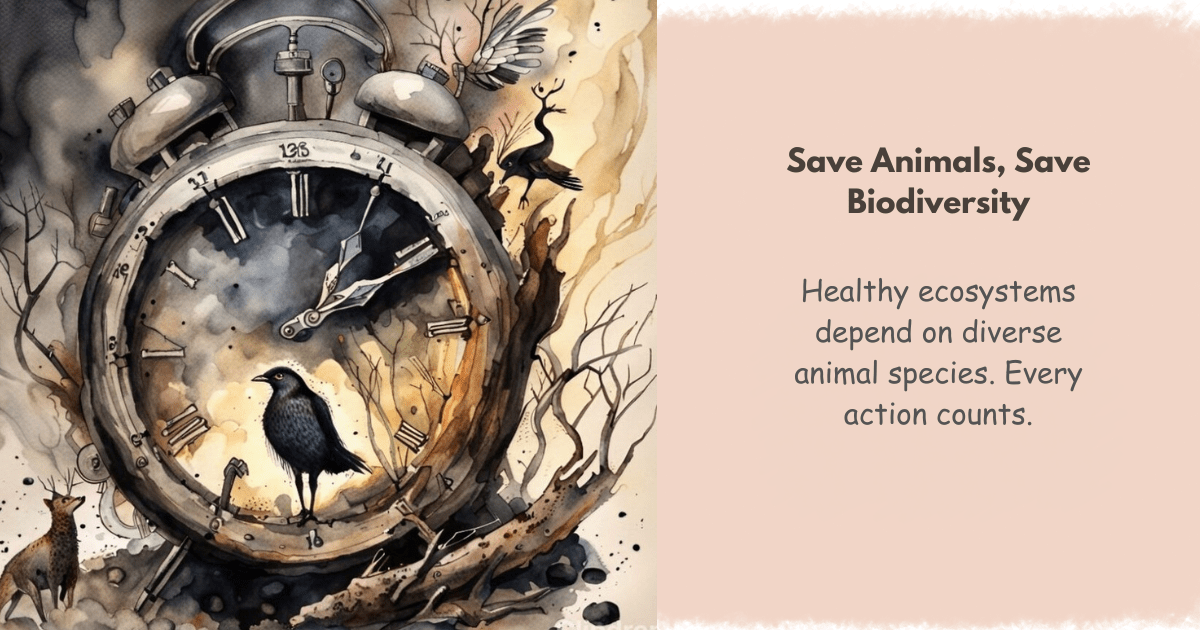
Climate change and biodiversity loss are interconnected global challenges that threaten ecosystems, wildlife, and human well-being. Protecting biodiversity is essential for building climate resilience and ensuring a sustainable future.
Conclusion
Wildlife, marine life, and human well-being. Rising temperatures, habitat destruction, pollution, deforestation, overfishing, and unsustainable development continue to degrade forests, wetlands, coral reefs, mangroves, and other critical ecosystems. As biodiversity declines, nature becomes less capable of regulating the climate, storing carbon, protecting coastlines, maintaining freshwater supplies, and supporting food production for billions of people.
Protecting biodiversity requires coordinated action from governments, businesses, researchers, local communities, and individuals. Reducing greenhouse gas emissions, conserving forests and oceans, restoring degraded habitats, promoting sustainable agriculture and fisheries, and investing in nature-based solutions are essential steps toward reversing biodiversity loss and strengthening ecosystem resilience. Every positive action, whether large or small, contributes to a healthier planet.
The future of Earth depends on the choices we make today. By addressing climate change while highlighting biodiversity conservation, we can protect endangered species, restore ecosystems, preserve marine life, strengthen climate resilience, and build a sustainable future where both people and nature can thrive together.
1. What is biodiversity, and why is it important?
Biodiversity is the variety of plants, animals, microorganisms, and ecosystems on Earth. It is important because it supports food production, clean water, climate regulation, pollination, and healthy ecosystems that sustain human life.
2. How is climate change driving biodiversity loss?
Climate change is driving biodiversity loss by increasing global temperatures, destroying habitats, altering ecosystems, and causing more frequent droughts, floods, wildfires, and extreme weather that threaten wildlife and marine life.
3. What are the main causes of biodiversity loss?
The main causes of biodiversity loss include climate change, deforestation, habitat destruction, pollution, overfishing, invasive species, and unsustainable agricultural and industrial practices.
4. How does biodiversity loss affect humans?
Biodiversity loss affects humans by reducing food security, freshwater availability, pollination, climate regulation, economic opportunities, and ecosystem services that support health and livelihoods.
5. How can we protect biodiversity from climate change?
Protecting biodiversity requires reducing greenhouse gas emissions, conserving forests and oceans, restoring degraded ecosystems, promoting sustainable agriculture, and supporting nature-based solutions.
6. Why is protecting ecosystems and marine life important?
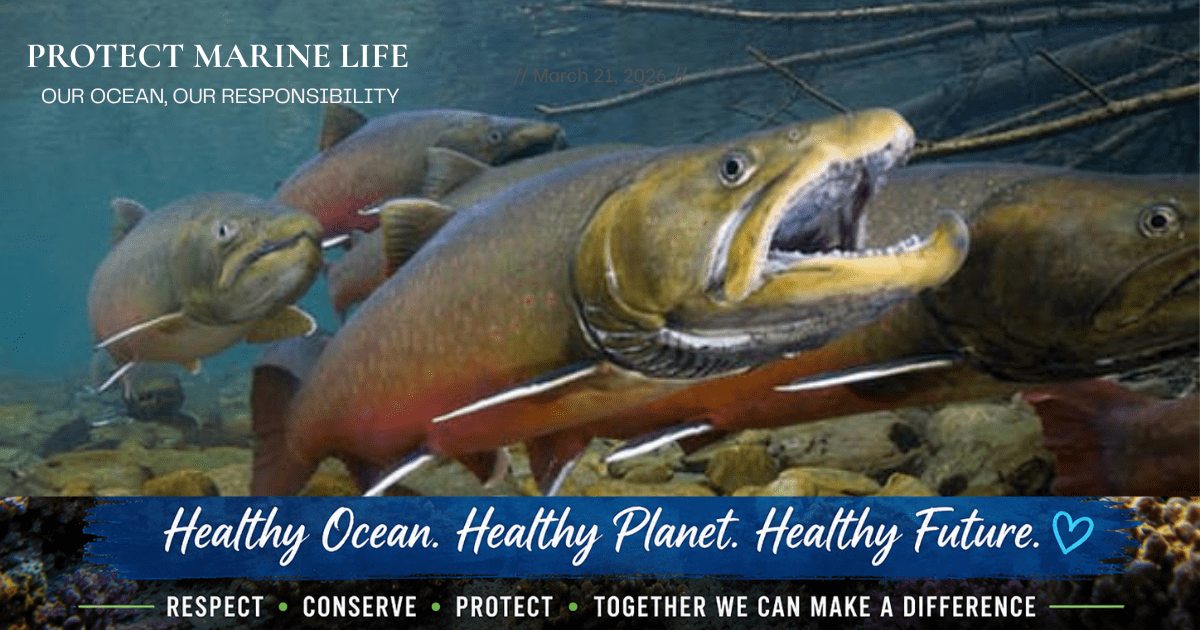
Protecting ecosystems and marine life helps preserve biodiversity, store carbon, maintain healthy food chains, protect coastlines, support fisheries, and strengthen resilience against climate change.
Climate change and biodiversity loss affect every living species, but meaningful action begins with awareness. Share this article to help others understand the importance of protecting biodiversity, conserving marine life, and restoring healthy ecosystems. Every conversation, every sustainable choice, and every shared action brings us one step closer to preserving nature for future generations.
To learn more about climate change and its impacts, visit Climate Beat for research-based information, educational resources, and the latest updates. https://www.facebook.com/profile.php?id=61590689996006