Glacier Melt: 6 Powerful Insights from Local Communities
When discussions about glacier melt arise, scientific studies, satellite imagery, and climate models often take centre stage. While these tools are essential, they tell only part of the story. People who live near glaciers witness environmental changes firsthand, observing shifts in snowfall, river flows, and seasonal weather long before they appear in scientific reports. Their daily experiences offer valuable insights into how climate change is transforming landscapes and livelihoods.
Glaciers are among the most important freshwater sources on Earth, supplying water to millions of people while supporting ecosystems, agriculture, and economies. As glacier melt accelerates due to rising global temperatures, understanding its impacts requires more than scientific data alone. Local communities contribute unique knowledge that helps explain how melting glaciers affect both the environment and human life, making their perspectives an essential part of climate action.
1. Local Communities Witness Glacier melt changes first.
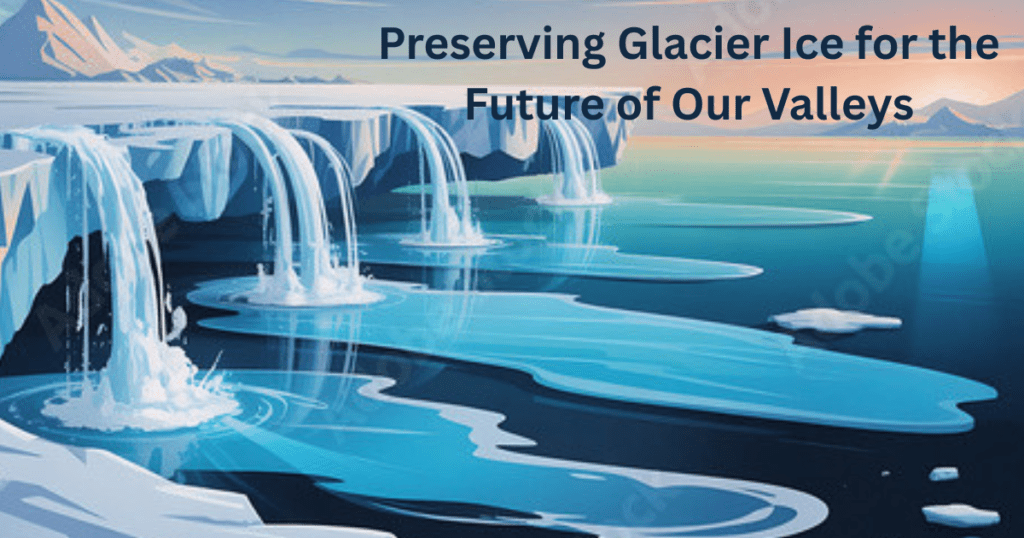
Communities living in mountainous regions have witnessed significant changes in glaciers over the years. Many residents report that glaciers are shrinking, snow is melting earlier than before, and seasonal weather patterns have become increasingly unpredictable. These firsthand observations provide valuable confirmation of how glacier melt is changing natural landscapes.
Unlike occasional scientific surveys, local people interrelate with their environment every day. They notice subtle changes in snowfall, river levels, vegetation, and wildlife that may otherwise go unnoticed. Their long-term experiences help researchers understand environmental changes from a practical perspective.
2. Glacier Melt Affects Water, Livelihoods, and Communities:
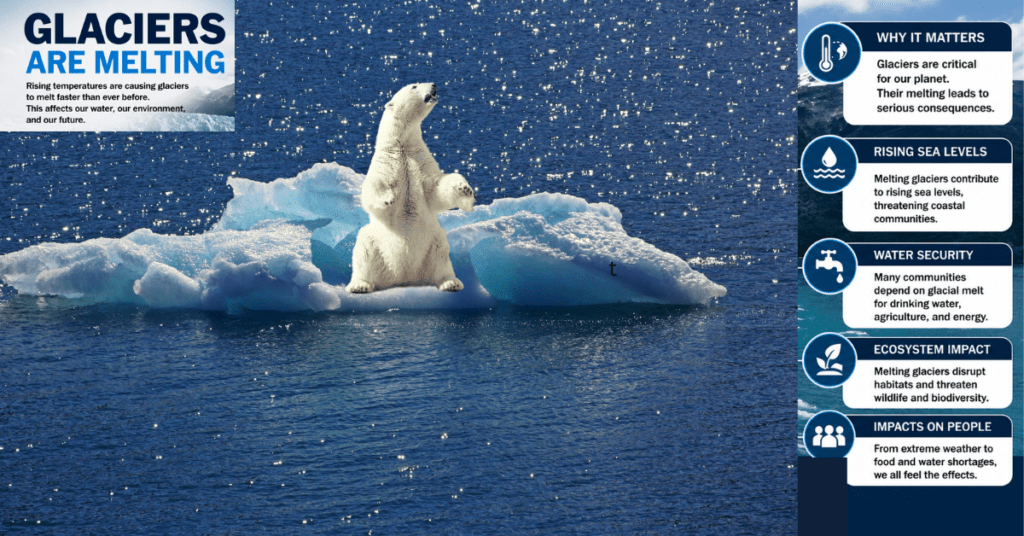
The effects of melting glaciers extend far beyond mountain areas. Millions of people depend on glacier-fed rivers for drinking water, agriculture, hydropower, and daily livelihoods. As glaciers melt more rapidly, some areas experience severe flooding caused by expanding glacial lakes, while others face declining water supplies during dry seasons.
These changes have direct consequences for food production, local economies, and water security. Farmers struggle with changing irrigation patterns, while communities become progressively vulnerable to climate-related disasters. Understanding these local experiences helps policymakers develop more effective climate adaptation strategies.
3. Local Knowledge Strengthens Climate Solutions
Local perspectives on glacier melt:
Complement scientific research by providing generations of traditional environmental knowledge. Indigenous and local communities have long observed seasonal cycles, snowfall patterns, river behaviour, and ecological changes, making their knowledge an important resource for climate research.
Many communities are already adapting through water conservation, improved irrigation, disaster preparedness, reforestation, and environmental awareness initiatives. When governments, scientists, and local communities work together, they create stronger and more sustainable solutions for protecting glaciers and building climate resilience for future generations.
Conclusion
Glacier melt is more than an environmental issue; it is a human story. While scientific research explains why glaciers are melting, local communities reveal how these changes affect everyday life. Their observations provide valuable insights that complement scientific evidence and help develop practical strategies.
Protecting glaciers requires both global action to reduce greenhouse gas emissions and local work to conserve water, strengthen ecosystems, and improve disaster preparedness. By listening to the voices of communities living closest to glaciers, we gain a deeper understanding of climate change and move closer to building a more resilient and sustainable future.
Frequently Asked Questions (FAQs)
1. What causes glacier melt?
The primary cause of glacier melt is climate change, driven by rising global temperatures resulting from greenhouse gas emissions.
2. Why are local communities important in understanding glacier melt?
Local communities observe environmental changes daily and provide valuable traditional knowledge that complements scientific research.
3. How does glacier melt affect people?
Glacier melt can lead to floods, water shortages, reduced agricultural productivity, and increased risks to livelihoods and ecosystems.
4. Can glacier melt be slowed?
Yes. Reducing greenhouse gas emissions, protecting ecosystems, and adopting sustainable environmental practices can help slow glacier retreat.
5. How can individuals help protect glaciers?
People can decrease their carbon footprint, conserve water, support renewable energy, participate in environmental initiatives, and spread understanding about climate change.
Climate change affects everyone, but meaningful action starts with awareness. Share this article to help others understand the importance of glacier melt, support local communities, and inspire climate action. Every conversation, every sustainable choice, and every shared story brings us one step closer to protecting our glaciers for future generations.
To learn more about climate change and its impacts, visit Climate Beat for research-based information, educational resources, and the latest updates. https://www.facebook.com/profile.php?id=61590689996006